
Rug cleaning is one of those things most people don’t really question. The rug looks dirty, you get it cleaned, and once it looks fresh again, you move on. It feels like a simple job done.
But what doesn’t get talked about enough is what stays behind after the cleaning. A lot of the products used don’t just disappear. They sit in the fibres and slowly release into the air inside your home.
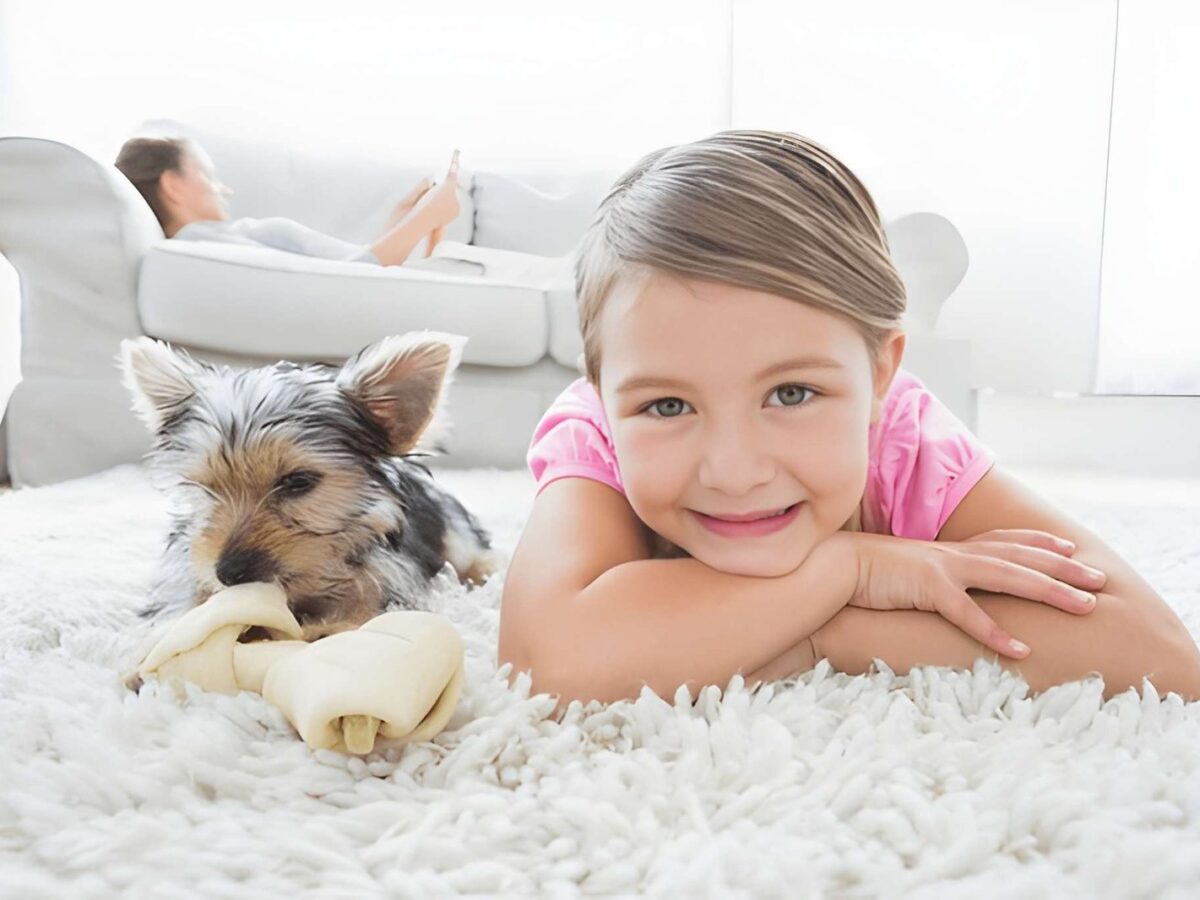
For most adults, that might not feel like a big deal. But it’s different when a child is crawling on that rug or a pet is lying on it every day. When you think about how much time we spend indoors, what’s in your rug becomes something your household is constantly exposed to. That’s where eco-friendly rug cleaning starts to matter.
The Hidden Chemicals in Standard Rug Cleaning Products
Most traditional rug cleaning products do exactly what they’re meant to do. They lift stains, remove dirt, and restore the rug’s appearance to its original clean state.
The issue isn’t the cleaning itself. It’s what’s left behind once the job is done. Some of the common chemicals found in standard cleaning solutions include:
- Perchloroethylene (PERC): Common in dry cleaning, and known to leave residue in fabrics even after use.
- Ammonia: Strong and effective, but also harsh on airways, especially in closed indoor spaces.
- Sodium Hydroxide: Found in heavy-duty cleaners and can be irritating to the skin and breathing.
- Synthetic Fragrances: Added just to create a “clean smell,” but often made from mixed chemicals that can trigger reactions.
Rugs don’t release these substances easily. The fibres hold onto them, and unlike hard floors, they don’t dry or air out quickly.
So even after the rug looks clean, it can still be releasing small amounts of these compounds into your living space.
Why Children and Pets Are More at Risk
Adults pass through a room. Children and pets spend time in it, especially on the floor.
Toddlers crawl, sit, and play directly on rugs. They touch the fibres constantly and often put their hands in their mouths. Their bodies are still developing, which makes them more sensitive to exposure.
Pets deal with it differently. They absorb residue through their paws and then ingest it while grooming. They also sleep on rugs for long periods, with direct contact.
Because of how they interact with their environment, both children and pets end up being exposed more than adults. Even small amounts of residue can have a bigger impact over time.
What Eco-Friendly Rug Cleaning Really Involves
“Eco-friendly” is one of those terms that gets used quite freely. Not everything labelled as safe actually means the same thing.
When it’s done properly, eco-friendly rug cleaning focuses on using plant-based, biodegradable solutions that don’t leave behind harmful residue.
In simple terms, that means:
- No petroleum-based chemicals or artificial fragrances
- No VOCs that continue releasing into the air
- Plant-based ingredients that break down dirt and allergens
- Proper rinsing so nothing is left sitting in the fibres
- Safe for children, pets, and anyone sensitive to chemicals
At this point, eco-friendly cleaning isn’t a compromise. You’re not choosing between safety and results. You can have both.
How Imperial Rug Clean Handles Eco-Friendly Rug Cleaning
At Imperial Rug Clean, the process is a bit more thorough than what most people expect. It’s not a quick spray and clean. Everything is done step by step.
Step 1: Pre-Wash Inspection
Every rug is checked first. The team looks at the material, how it’s made, and any existing issues before deciding how to clean it.
Step 2: Mechanical Dusting
Before washing begins, all the dry dust and grit trapped inside the rug are removed. This is important because those particles can damage the fibres during cleaning.
Step 3: Full-Immersion Wash
The rug is washed in water using pH-neutral solutions, including eco-friendly options when needed. This helps clean deep within the fibres.
Step 4: Complete Rinsing
Everything is rinsed out properly so no residue is left behind.
Step 5: Centrifuge Drying
Most of the moisture is removed quickly, and the rug is then dried in a controlled environment.
Step 6: Finishing & Final Inspection
Once dry, the rug is finished and checked to make sure it’s in good condition before being returned.
This process supports:
- Deep Wash for regular cleaning
- Eco-Friendly Treatment for sensitive homes
- Stain Removal for specific issues
Everything is handled carefully, with the material of the rug in mind.
Tips for Keeping Your Rugs Clean Between Professional Washes
A professional clean does the heavy work, but regular care helps keep things in good shape.
- Vacuum regularly, especially in busy areas
- Clean spills quickly by blotting, not rubbing
- Use a doormat to reduce dirt coming inside
- Rotate rugs occasionally to balance wear
These small steps make a noticeable difference over time.
Conclusion: A Healthier Home Starts with What’s in Your Floors
Eco-friendly rug cleaning is not just about environmental impact. It’s about making sure the products used in your home are safe for the people living in it.
Children, pets, and anyone sensitive to chemicals spend a lot of time close to the floor. What sits in your rug matters more than it seems.
With the right approach, you don’t have to choose between cleanliness and safety. You can have both.