
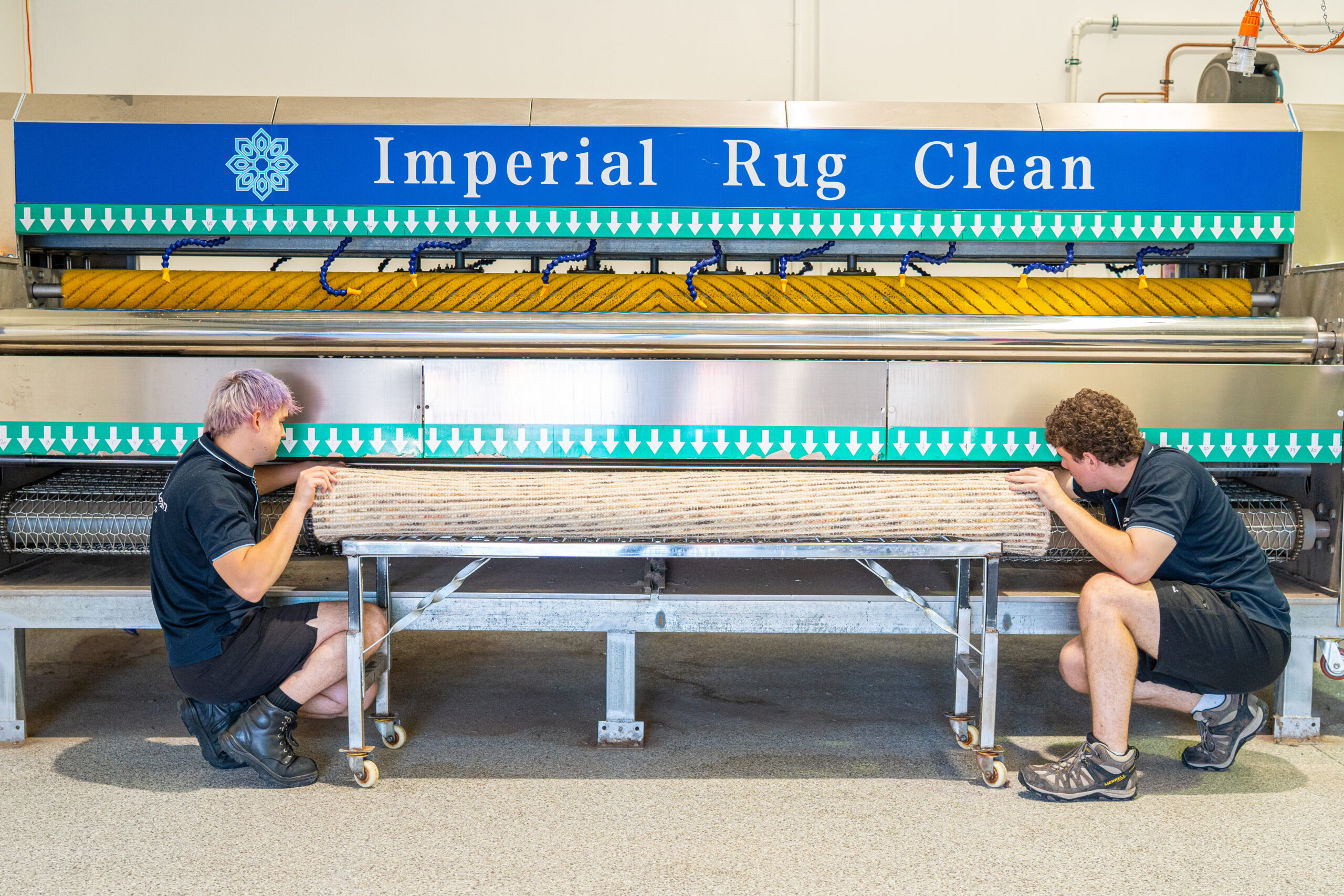
Ask ten people how to clean a rug, and you’ll probably get ten different answers. Some swear by home remedies, others recommend hiring a machine, and there’s always someone convinced that a quick vacuum is all a rug ever needs. The trouble is, not every piece of advice you come across is based on experience. Some of the most common rug cleaning myths can actually do more harm than good.
Getting rug care right isn’t just about keeping it looking tidy. It’s about protecting the fibres, preventing unnecessary wear, and helping the rug last for years to come. In this guide, we’ll clear up some of the most common misconceptions and explain what’s actually worth following. At Imperial Clean Rug, every rug is assessed on its own merits because no two rugs respond to cleaning in exactly the same way.
Why Rug Cleaning Myths Can Do More Harm Than Good
One of the biggest mistakes people make is assuming all rugs can be treated the same.
In reality, rugs vary enormously. Some are made from durable synthetic fibres, while others are woven from wool or silk. Handmade rugs often require a much gentler approach than machine-made ones, and older rugs may have delicate dyes or weakened fibres that need extra care.
That’s why advice that works perfectly well for one rug could create problems for another.
Following the wrong cleaning method can lead to:
- Fibre damage
- Colours fading or bleeding
- Stains becoming more difficult to remove
- Excess moisture remaining in the rug
- Premature wear that shortens the rug’s lifespan
The safest approach is to treat each rug according to its material, condition and construction, rather than relying on general cleaning tips.
Myth 1: Vacuuming Is All the Cleaning Your Rug Needs
Vacuuming is important, but it’s only part of the picture.
A good vacuum removes surface dust, crumbs and pet hair, which helps prevent everyday dirt from settling deeper into the pile. What it doesn’t remove are the fine particles that gradually build up over months of use.
Dust, pollen, allergens, bacteria and tiny pieces of grit can work their way into the fibres where they’re difficult to remove with ordinary household equipment.
That’s why professional area rug cleaning still plays an important role. Deep cleaning reaches contaminants that vacuuming can’t, helping refresh the rug while reducing the gradual wear caused by embedded dirt.
Myth 2: More Cleaning Solution Means Better Results
It’s easy to think that adding a little extra cleaner will tackle a stubborn rug stain more effectively.
Unfortunately, that’s rarely how it works.
Using too much rug cleaning solution often leaves residue behind. That residue can become sticky, attracting fresh dirt surprisingly quickly once the rug dries. Depending on the product and the rug itself, overusing cleaning solution may also contribute to uneven colouring or make rinsing much more difficult.
When it comes to spot cleaning, less is usually better. Follow the manufacturer’s directions, use only what’s needed, and avoid the temptation to keep adding more product if the stain doesn’t disappear immediately.
Myth 3: Every Rug Can Be Cleaned the Same Way
If only it were that simple.
Every rug has its own cleaning requirements, and that’s one reason professional cleaners inspect rugs before deciding how to clean them.
For example:
- Wool rugs hold moisture differently from synthetic fibres.
- Silk rugs require a much gentler approach.
- Handmade rugs often need specialised care.
- Antique rugs may have delicate dyes or fragile construction.
- Synthetic rugs generally tolerate stronger cleaning methods but still need appropriate treatment.
The safest cleaning method depends on a combination of factors, including the fibres, dyes, backing and overall condition of the rug.
Treating every rug the same is one of the quickest ways to create unnecessary problems.
The wrong cleaning method can sometimes cause problems that aren’t immediately obvious. Understanding the main causes of rug damage and practical ways to prevent it can help you avoid unnecessary wear and deterioration.
Myth 4: DIY Cleaning Is Always Cheaper Than Professional Cleaning
Doing it yourself certainly has its place.
If you spill a drink or notice muddy footprints, dealing with them quickly can prevent a much bigger cleaning job later.
For everyday maintenance and fresh spills, DIY cleaning is often perfectly reasonable.
Where things become more difficult is with deeper cleaning.
Household machines usually don’t remove deeply embedded dirt as effectively as professional equipment, and it’s surprisingly easy to use too much water or choose the wrong cleaning product. Both can lead to longer drying times or, in some cases, damage that’s expensive to repair.
The best approach isn’t choosing between DIY or professional cleaning, it’s knowing when each one makes sense.
The cost of professional cleaning also needs to be considered alongside the time, equipment and potential risks involved in doing it yourself. Understanding whether professional rug cleaning is worth it can help you make a more informed decision.
Myth 5: If a Rug Looks Clean, It Doesn’t Need Washing
A clean-looking rug isn’t always a clean rug.
Some of the biggest problems are completely invisible.
Dust mites, pet dander, bacteria, pollen and fine dirt gradually settle below the surface where they stay long after the visible dust has been vacuumed away.
That’s why regular rug washing is still worthwhile, even if the rug appears clean at first glance.
Professional washing helps remove contaminants that affect both the rug itself and the air inside your home, particularly in households with pets, children or allergy sufferers.
Myth 6: Professional Rug Cleaning Is Only for Expensive Rugs
It’s true that valuable rugs deserve expert care, but they’re certainly not the only ones that benefit from it.
Think about the rugs that see the most use in your home.
The family room rug.
The hallway runner.
The rug your children play on.
The one under the dining table.
These rugs collect just as much dirt—often more—than decorative or high-value pieces.
A regular rug cleaning service helps remove the dirt and grit that gradually wear fibres down over time, helping everyday rugs stay cleaner, fresher and in better condition for longer.
How to Care for Your Rug Between Professional Cleans
Looking after your rug doesn’t need to involve complicated routines.
A few simple habits can make a noticeable difference.
- Vacuum regularly to prevent dirt from building up.
- Rotate your rug every few months to spread wear more evenly.
- Blot spills as soon as they happen instead of rubbing them into the fibres.
- Keep rugs dry after cleaning, especially after water exposure.
- Use quality rug pads to reduce movement and friction.
- Avoid harsh cleaning products unless they’re suitable for your rug.
- Arrange professional cleaning when the rug genuinely needs it instead of waiting until it’s heavily soiled.
These small steps often help extend the time between deep cleans while keeping your rug in better overall condition.
Conclusion
There’s no shortage of rug cleaning advice out there, but not all of it deserves to be followed.
The best approach is usually the simplest one: understand what your rug needs, avoid shortcuts that could cause damage, and remember that every rug is different.
If you’re unsure how your rug should be cleaned, Imperial Rug Clean can assess its condition and recommend a suitable approach. Request a free quote to find out what your rug may need. Using eco-friendly cleaning products and offering free pickup and delivery across selected areas of Queensland, the focus is on helping homeowners care for their rugs with confidence.